
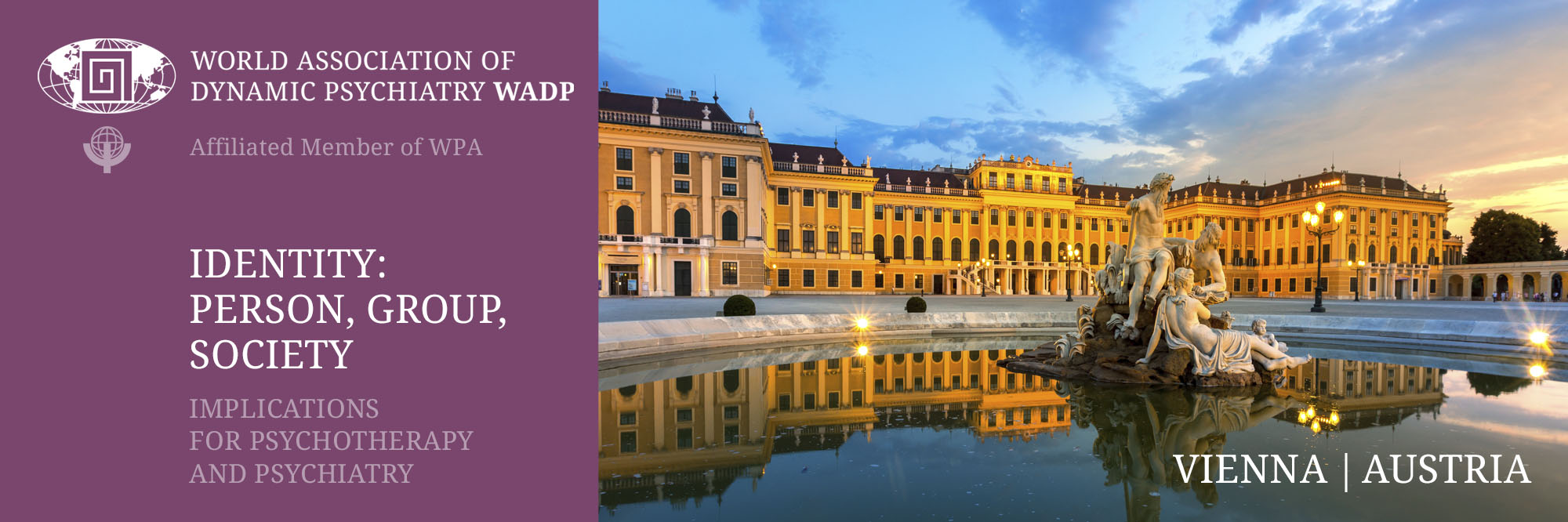
21th World Congress of WADP
XXXIVth International Symposium of German Academy for Psychoanalysis (DAP) e. V.
22.03.-26.03.2027 | University of Vienna
IDENTIY: PERSON, GROUP, SOCIETY –
Implications for Psychotherapy and Psychiatry
Dear colleagues and friends,
 The WADP is delighted to invite you to its upcoming International Congress in Vienna, from 22 to 27 March 2027, in order to continue its ongoing project of collective reflection on the concepts and practices that have long defined the very essence of Dynamic Psychiatry. At the crossroads of psychoanalysis and psychiatry, the theme of this congress—Identity—is indeed one of the cardinal notions of this perspective, serving as a cornerstone for theoretical frameworks and therapeutic practices with patients receiving psychiatric care.
Like psychoanalysis, Dynamic Psychiatry does not regard identity as a static state, as common sense might suggest, but rather as a complex, dynamic process at work in the being-in-the-world of every individual, regardless of their mental or physical health. More than psychoanalysis in its classical Freudian foundations, however, Dynamic Psychiatry has focused on the development of this process in its practical applications with patients who require its interventions. In this respect, it is part of a fruitful post-Freudian movement in all contexts where psychoanalysis is involved in psychiatric care. From this perspective, examining the implications of identity—in its various definitions, from the individual to the social group and society as a whole—is an essential task for psychotherapies and psychiatric treatments.
Our association’s work has already highlighted several aspects of this issue. For instance, the view that the structuring value of identity is based both on primary identification and on the concept of “basic identity” as promoted by Dynamic Psychiatry influential figures such as Gunter Ammon, following culturally oriented anthropological research. By underscoring this point, their aim was to stress the importance of a minimal degree of identity stability, which allows identity to become self-creative—transforming internal destructiveness into relational openness and psychological autonomy. In this way, identity can become a factor of social integration and mutual recognition. Yet, as clinical experience shows, this process is often impaired in the patients we treat, so that identity—through such disruptions—can also become negative, hardening into a defensive barrier or losing its vitality, rooted in unresolved internal conflicts between self and others.
It is on such grounds that identity pathologies and identity-related symptoms develop—phenomena most frequently observed in postmodern societies, where increasingly alienating social pressures operate within an ultra-connected world. This represents the darker side of the very progress it purports to achieve to address many of the most affecting mental health symptoms of our time, including sleep disturbances, chronic pain problems, anxiety disorders, addiction prevention, corona virus side effects including long covid among others.
We therefore invite you to join us in Vienna from 22 to 27 March 2027 for a lively debate which, in continuity with our previous gatherings and in the same spirit of openness, will contribute to our collective reflection on the implications—both of classical theoretical frameworks and of more recent developments—for their application to the clinical situations that constitute the daily reality of psychiatric and psychotherapeutic practice today.
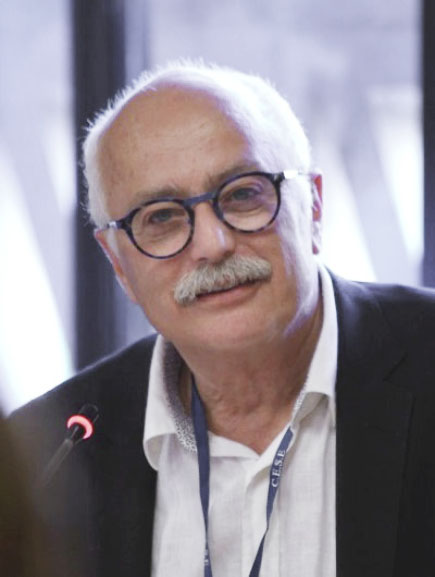
Professor Botbol
President World Association for Dynamic Psychiatry
Dear colleagues and friends,
 It is both a great honour and a sincere pleasure to welcome you to the 21st WADP World Congress and the 34th International Symposium of the German Academy for Psychoanalysis (DAP) in the beautiful city of Vienna, Austria.
Following the impactful World Congress held in Marrakesh in 2024, we are especially delighted to gather once again in person.
The theme of the 2027 World Congress is:
Identity: Person, Group, Society –
Implications for Psychotherapy and Psychiatry
Our current era is shaped by globalisation, digitalization, and rapid changes across all aspects of life. These transformations, affecting nature, culture, social structure, and the individual, render the question of human identity within group contexts increasingly relevant. For psychotherapy,
psychoanalysis, psychiatry, and indeed for all treatment
sciences in general, this issue is of critical concern.
The understanding of identity in dynamic psychiatry, as developed by Günter Ammon and his colleagues, is grounded in a multidimensional conception of the human being, embracing physicality, emotionality, and spirituality as the cornerstones of individuality. It is continuously shaped through relationships with other people, with groups, and with its wider societal context. Human development emerges from the interaction and interplay of group dynamics and inter individual processes, always with the aim of integrating these experiences into one’s own personality and identity.
As Günter Ammon emphasized, identity and group are inextricably linked. Ammon (1979, 1982) introduced the concept of social energy as a means for identity development through group processes. It refers to a form of interpersonal psychological energy that comprises elements such as contact, confrontation, security, reliability, love, as well as demands on identity, action, activity, and task-related challenges.
The processes of exchanging social energy within primary groups play a decisive role in shaping personality structure and thus human identity. This process continues throughout life in groups that are of importance later on. It is also of
great significance for treatment, particularly in identity therapy.
New identity-related problems are brought about by social developments. The resulting alienation of the individual, from itself, from its fellow human beings, from nature, and from its own body represents a growing threat to personal identity, as do increasing visualization, AI dependency, and isolation. Simultaneously, we are witnessing a rise in symptoms like anxiety disorders, chronic pain problems, sleep disturbances, and issues surrounding addiction and its prevention.
Human connection, social solidarity, and democratic group structures are therefore of central importance, alongside integrated treatment concepts.
We hope that the interdisciplinary approach of medicine, psychology, psychiatry, psychotherapy, sociology, philosophy, pedagogics, cultural anthropology, and others taken in the context of this Congress will result in fostering the integration of interdisciplinary research and will enhance the discourse on the topics concerned.
We are confident that the contributions of the humanities to the 2027 WADP World Congress will enable both individuals and groups to recognize, address, consolidate, and overcome the social challenges of our time – in the best interests of our patients.
At this juncture, we would like to express our heartfelt
thanks to the following international organizations for their valued support:
- World Psychiatric Association (WPA)
- World Federation for Psychotherapy (WFP),
- World Association for Social Psychiatry (WASP)
- World Federation for Mental Health (WFMH)
- European Confederation of Psychoanalytic Psychotherapies (ECPP)
- International College for Person Centered Medicine (ICPCM)
- Deutsche Gesellschaft für Gruppendynamik und Gruppenpsychotherapie (DGG), and
- International Foundation Erich Fromm (IFE Fromm)
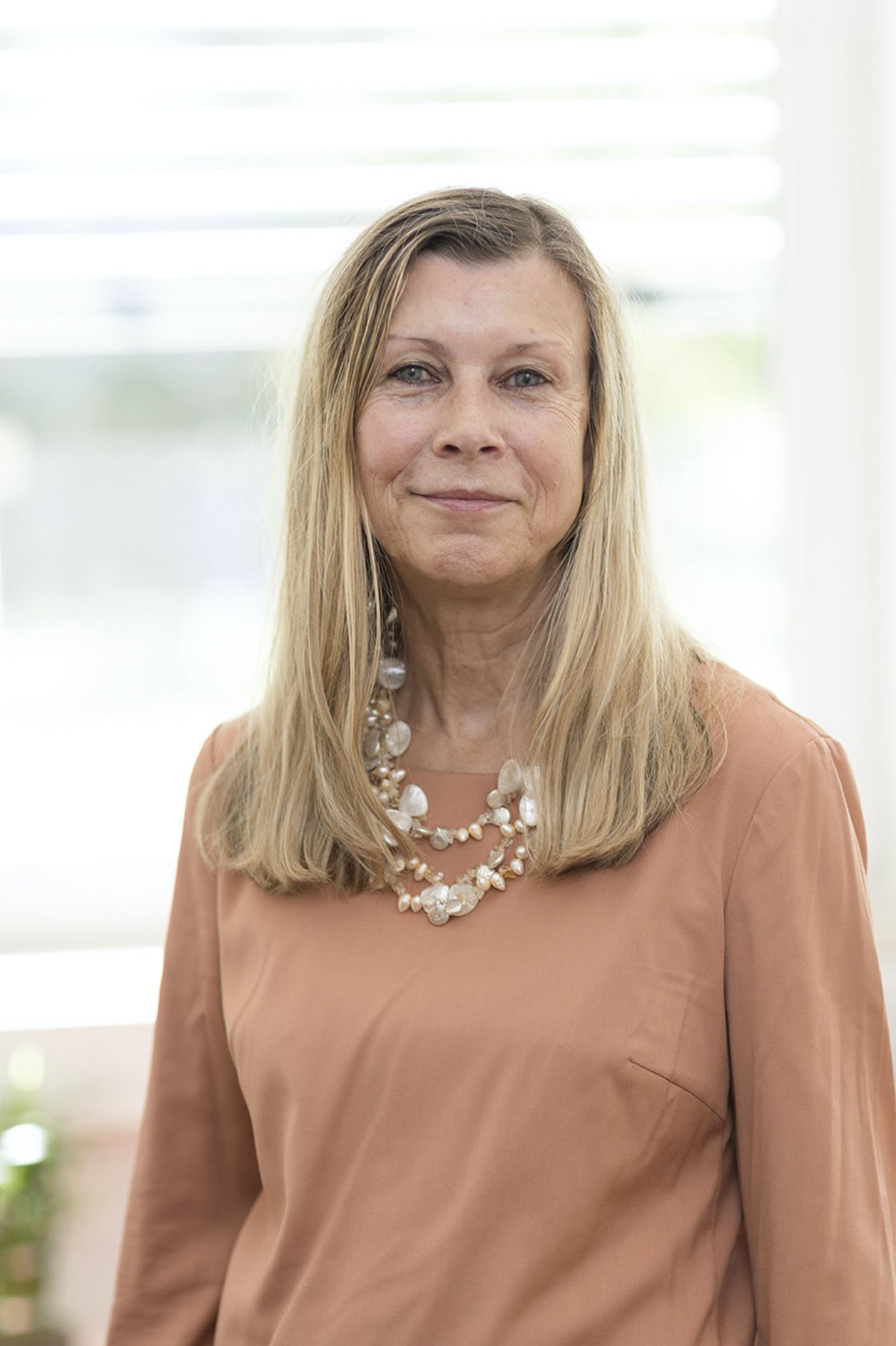
Professor* Dr. Maria Ammon
President German Academy for Psychoanalysis
General Secretary World Association for Dynamic Psychiatry
* Priglascennyj profesor (V. M. Bechterew Institut, St. Petersburg
Die Teilnahme an dem Kongreß wird von der Bayerischen Ärzte- und der Bayerischen Psychotherapeutenkammer für die Aus- und Weiterbildung anerkannt. Fortbildungspunkte werden für alle Veranstaltungen bei den Kammern beantragt.
Die Deutsche Akademie für Psychoanalyse (DAP) veranstaltet seit über 30 Jahren internationale Symposien. Seit der Gründung der World Association for Dynamic Psychiatry (WADP) werden gemeinsam mit dieser in enger Zusammenarbeit internationale Kongresse veranstaltet. WADP und DAP arbeiten seit vielen Jahren an einer Konzeption, welche Psychoanalyse und Psychiatrie verbindet. Auch schwerste psychische Erkrankungen werden einem zwischenmenschlichen Verständnis in ihren Entstehungsbedingungen zugänglich und durch erweiterte Konzepte behandelbar.
Die WADP ist affiliiertes Mitglied der „World Psychiatric Association WPA“, Mitglied mit Sitz und Stimme als non-governmental Organisation bei „UNO for Population Activities“ und des „WHO Committee on Water and Food Supply for the World“. Die DAP ist Mitglied der „World Federation for Mental Health“, der „Internationalen Gesellschaft für Ärztliche Psychotherapie“, der „World Association for Dynamic Psychiatry (WADP)“ und der „World Association for Social Psychiatry“.
Informationen:
Anmeldung:
Hier können Sie die Anmeldung
als Redner oder Teilnehmer
herunterladen.
Mehr Informationen rund um den Kongress finden Sie auf der WADP Internetseite unter www.wadpinternational.com.
Kongresse der WADP
Eine Übersicht über die bisherigen Kongresse der WADP finden Sie auf der einschlägigen → Kongress-Seite.